
Top Waterproofing Products for Effective Moisture Protection
Explore the leading waterproofing solutions designed to keep your property dry and secure against water intrusion.
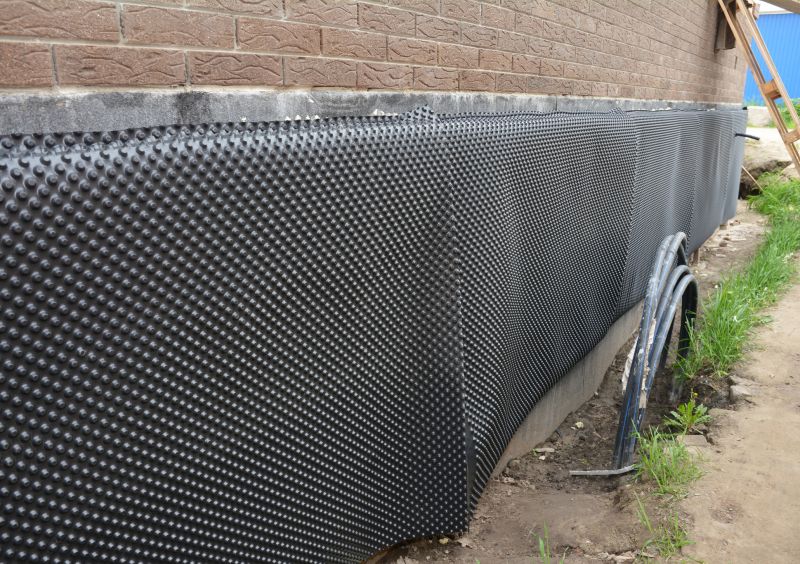 Waterproofing products are essential for protecting structures from water intrusion, whether it be for foundations, roofs, basements, or other vulnerable areas. Proper waterproofing helps prevent water damage, mold growth, and structural deterioration, ensuring longevity and safety of buildings. The selection of appropriate waterproofing solutions depends on various factors, including the type of surface, exposure conditions, and the specific needs of the project.
Top Overall Option
Liquid Waterproofing Membrane
A liquid waterproofing membrane offers a seamless, adaptable barrier that can be applied to various surfaces, including roofs, foundations, and basements. Its ease of application and ability to conform to complex shapes make it a versatile choice for many waterproofing needs. When properly applied, it provides a durable layer of protection against moisture infiltration, helping to maintain the integrity of structures over time.
Types of Products For Waterproofings
Liquid Waterproofing Membranes
Flexible, seamless coatings that can be brushed, rolled, or sprayed onto surfaces for waterproof protection.
Sheet Membranes
Pre-formed sheets made of rubber, bitumen, or plastic that are installed over surfaces to create a waterproof barrier.
Bituminous Coatings
Asphalt-based coatings suitable for foundations and roofs, providing a thick, protective layer.
Polyurethane Sealants
Elastic sealants used to fill joints, cracks, and penetrations to prevent water ingress.
Cementitious Waterproof Coatings
Waterproof cement-based coatings ideal for basement walls and underground structures.
Liquid Rubber Coatings
Highly flexible coatings that form a rubber-like waterproof layer on various surfaces.
Bitumen Sheets
Durable sheets made of bitumen, often used in roofing and foundation waterproofing.
Crack Fill Sealants
Specialized products designed to fill and seal cracks in concrete and masonry surfaces.
Waterproofing Paints
Paints with waterproofing additives suitable for exterior walls and surfaces.
Spray-On Waterproof Coatings
Sprayable products that form a waterproof barrier on various substrates.
Rubberized Coatings
Flexible coatings that provide waterproof protection and are often used on roofs and decks.
Hydrophobic Sealants
Sealants that repel water and are used to treat porous surfaces.
Waterproofing Fabrics and Meshes
Materials used in conjunction with other waterproofing methods to reinforce barriers.
Polymer Modified Bitumen
Enhanced bitumen sheets with added polymers for increased flexibility and durability.
Cementitious Waterproofing Sprays
Sprayable cement-based coatings for quick application on large surfaces.
Popular Choices
Widely used for their seamless application and adaptability to various surfaces.
Commonly selected for foundational and roofing projects due to their durability.
Popular for sealing joints and cracks in concrete and masonry structures.
Favored for basement walls and underground structures for their ease of application.
Chosen for their quick application and ability to form a continuous waterproof layer.
Valued for their flexibility and strong waterproofing properties on roofs and decks.
Often used for exterior walls to provide an additional layer of moisture resistance.
Frequently selected for repairing small cracks and preventing water penetration.
Popular for treating porous surfaces and enhancing water resistance.
Commonly used in roofing and foundation waterproofing for their proven performance.
Chosen for their flexibility and durability in waterproofing applications.
Utilized to reinforce waterproof barriers in complex or large-scale projects.
Preferred for enhanced flexibility and weather resistance in roofing systems.
Different waterproofing materials offer distinct advantages, from liquid coatings and membranes to sealants and barriers. Liquid waterproofing membranes are versatile and can be applied to complex surfaces, providing a continuous barrier against moisture. Sheet membranes are often used for larger areas, offering durability and ease of installation. Sealants and caulks are suitable for sealing joints, cracks, and penetrations, preventing water ingress at vulnerable points.
When choosing waterproofing products, it is important to consider the compatibility with the surface material, ease of application, drying time, and durability. Proper surface preparation, including cleaning and priming, enhances adhesion and effectiveness. Regular maintenance and inspections can help identify potential issues early, ensuring ongoing protection. Whether for residential or commercial use, selecting the right waterproofing solution is key to safeguarding structures against water-related problems.
In the Waldorf, MD area, where humidity and precipitation levels can influence building conditions, investing in quality waterproofing products can be a strategic move for property owners. Consulting with professionals or experienced suppliers can help determine the most suitable options for specific projects, ensuring reliable and long-lasting results.
Key Buying Considerations
- Identify the specific area or surface to be waterproofed to select the most suitable product type.
- Consider the compatibility of the waterproofing material with existing surfaces and materials.
- Evaluate the ease of application and whether professional installation is recommended.
- Check the drying or curing time to plan project timelines accordingly.
- Assess the durability and expected lifespan of the product in your environment.
- Determine if the product is suitable for interior, exterior, or underground applications.
- Review the product’s resistance to temperature fluctuations and UV exposure if applicable.
- Ensure the product provides a continuous, seamless barrier to prevent water seepage.
- Consider maintenance requirements and ease of reapplication if needed.
- Look into compatibility with other building materials and coatings used in your project.
- Verify compliance with local building codes or regulations relevant to waterproofing.
- Evaluate the cost-effectiveness based on coverage area and longevity.
- Assess the product’s ability to withstand hydrostatic pressure if necessary.
- Check for any safety precautions or ventilation requirements during application.
- Read customer reviews or consult with professionals to gauge real-world performance.